
www.technology4environment.com
07
'26
Written on Modified on
Fraunhofer EMI Develops Hydrogen Network Simulation Tool
Hydraulic simulation software models disruption scenarios in hydrogen transport infrastructure to support resilience planning and supply stability assessments.
www.fraunhofer.de
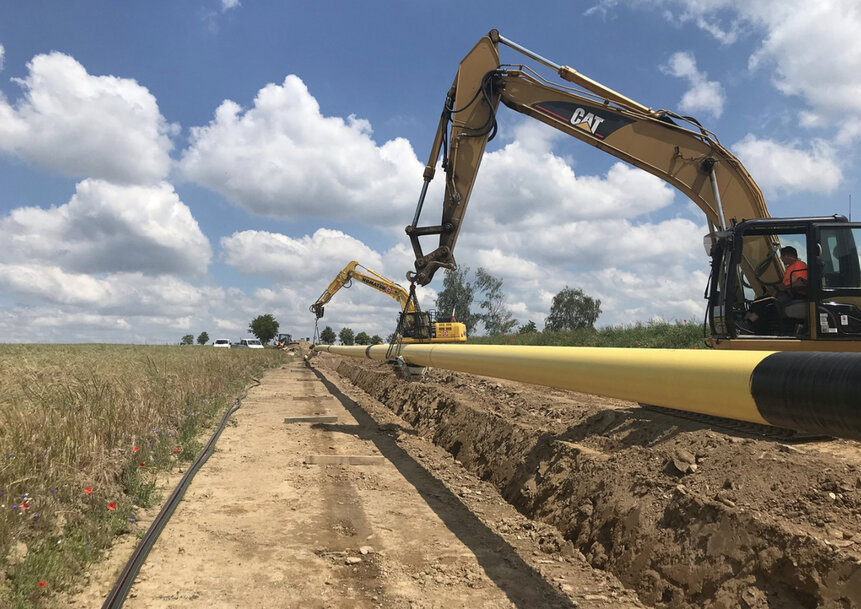
© ONTRAS GmbH: Resilient infrastructure is critical for stable hydrogen supply. Simulation tools developed at Fraunhofer EMI analyze network reactions to disruptions and help mitigate risks due to extreme events.
Green hydrogen infrastructure requires transport and storage systems capable of maintaining supply under operational disruptions, including equipment failures, natural disasters, and geopolitical interruptions. Researchers at Fraunhofer EMI are developing a hydraulic simulation tool designed to analyze the resilience of hydrogen pipeline networks under dynamic operating conditions.
The simulation platform focuses on hydrogen transport systems ranging from regional distribution grids to international transmission networks. It is intended to support operators, planners, and public authorities in evaluating supply stability, identifying vulnerable network components, and testing mitigation strategies within future hydrogen infrastructure projects.
Modeling Dynamic Hydrogen Network Behavior
The numerical simulation method builds on hydraulic algorithms originally developed during the EU SecureGas project for natural gas networks operating outside standard conditions. Fraunhofer EMI researchers adapted the framework to address the distinct physical properties of hydrogen and the operational requirements of hydrogen transport systems.
Hydrogen differs from natural gas in several measurable ways that affect pipeline operation. The gas has smaller molecular size, higher diffusion rates, lower density, and lower volumetric calorific value, all of which influence pressure behavior, storage requirements, and transport efficiency. The simulation tool therefore models not only steady-state operation but also transient pressure and flow conditions, including dynamic pressure drops during disruptions.
According to the research team, the software can simulate large-scale failure scenarios, including the loss of an upstream supply source for periods extending to 30 hours. The system calculates the chronological impact of disruptions across the network, identifies affected components, and estimates restoration timelines.
The simulation environment also incorporates hydrogen storage systems with flexible modeling capabilities for different storage technologies and capacities. This enables operators to analyze how storage assets can compensate for temporary supply interruptions and maintain network stability during emergency conditions.
Supporting Resilient Hydrogen Infrastructure Planning
The work is particularly relevant as European hydrogen infrastructure projects increasingly rely on the conversion of existing natural gas pipelines. Germany’s planned hydrogen core network includes substantial reuse of existing gas transport assets, requiring updated modeling tools capable of representing hydrogen-specific transport characteristics.
Fraunhofer EMI states that the software enables continuous prediction of network behavior before, during, and after major disruptions in both hybrid and fully hydrogen-based systems. The platform can therefore support resilience and risk assessments for future energy supply networks while also evaluating survival and recovery times following failures.
Simulation results from representative scenarios indicate that hydrogen networks may require larger storage capacities than equivalent natural gas systems to achieve comparable compensation performance during supply interruptions. This is linked to hydrogen’s lower energy density and transport characteristics.
The tool is also intended to support what-if analyses for network operators evaluating redundancy strategies, additional storage deployment, and critical infrastructure protection measures within the broader hydrogen energy ecosystem.
Edited by Natania Lyngdoh, Induportals editor, with AI assistance.
www.fraunhofer.com
Green hydrogen infrastructure requires transport and storage systems capable of maintaining supply under operational disruptions, including equipment failures, natural disasters, and geopolitical interruptions. Researchers at Fraunhofer EMI are developing a hydraulic simulation tool designed to analyze the resilience of hydrogen pipeline networks under dynamic operating conditions.
The simulation platform focuses on hydrogen transport systems ranging from regional distribution grids to international transmission networks. It is intended to support operators, planners, and public authorities in evaluating supply stability, identifying vulnerable network components, and testing mitigation strategies within future hydrogen infrastructure projects.
Modeling Dynamic Hydrogen Network Behavior
The numerical simulation method builds on hydraulic algorithms originally developed during the EU SecureGas project for natural gas networks operating outside standard conditions. Fraunhofer EMI researchers adapted the framework to address the distinct physical properties of hydrogen and the operational requirements of hydrogen transport systems.
Hydrogen differs from natural gas in several measurable ways that affect pipeline operation. The gas has smaller molecular size, higher diffusion rates, lower density, and lower volumetric calorific value, all of which influence pressure behavior, storage requirements, and transport efficiency. The simulation tool therefore models not only steady-state operation but also transient pressure and flow conditions, including dynamic pressure drops during disruptions.
According to the research team, the software can simulate large-scale failure scenarios, including the loss of an upstream supply source for periods extending to 30 hours. The system calculates the chronological impact of disruptions across the network, identifies affected components, and estimates restoration timelines.
The simulation environment also incorporates hydrogen storage systems with flexible modeling capabilities for different storage technologies and capacities. This enables operators to analyze how storage assets can compensate for temporary supply interruptions and maintain network stability during emergency conditions.
Supporting Resilient Hydrogen Infrastructure Planning
The work is particularly relevant as European hydrogen infrastructure projects increasingly rely on the conversion of existing natural gas pipelines. Germany’s planned hydrogen core network includes substantial reuse of existing gas transport assets, requiring updated modeling tools capable of representing hydrogen-specific transport characteristics.
Fraunhofer EMI states that the software enables continuous prediction of network behavior before, during, and after major disruptions in both hybrid and fully hydrogen-based systems. The platform can therefore support resilience and risk assessments for future energy supply networks while also evaluating survival and recovery times following failures.
Simulation results from representative scenarios indicate that hydrogen networks may require larger storage capacities than equivalent natural gas systems to achieve comparable compensation performance during supply interruptions. This is linked to hydrogen’s lower energy density and transport characteristics.
The tool is also intended to support what-if analyses for network operators evaluating redundancy strategies, additional storage deployment, and critical infrastructure protection measures within the broader hydrogen energy ecosystem.
Edited by Natania Lyngdoh, Induportals editor, with AI assistance.
www.fraunhofer.com
