
www.technology4environment.com
04
'25
Written on Modified on
Veolia will produce local energy from waste for greater Porto in Portugal
Veolia’s €270M contract with LIPOR boosts Porto region’s waste-to-energy plant with digitalisation, decarbonisation, and renewable energy initiatives.
www.veoliawatertechnologies.co.uk
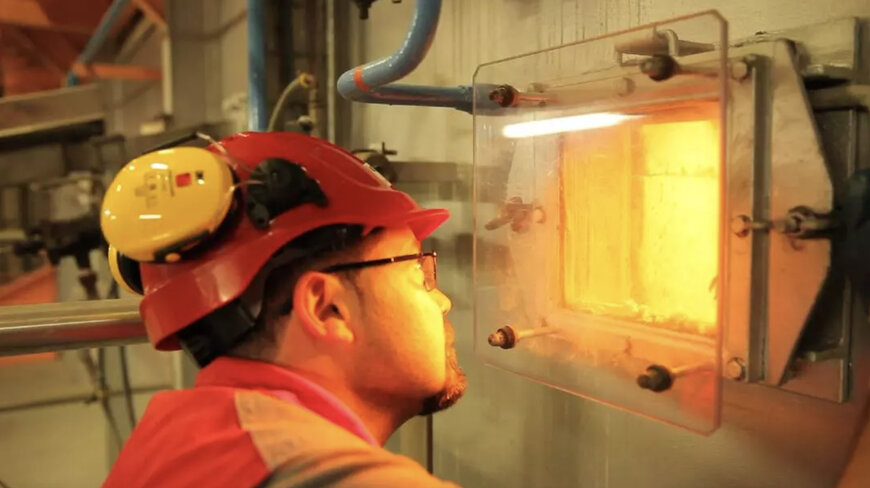
Veolia, which has been operating and maintaining LIPOR's Waste-to-Energy Plant for the past 25 years, has been entrusted once again to manage the facility for the next 15 years. This renewed vote of confidence from LIPOR — an entity representing eight municipalities in the Greater Porto area in northern Portugal — marks the beginning of a new chapter. Veolia will now support the transformation of the site into a flagship project for energy production from waste, placing digitalisation, energy efficiency, and decarbonisation at the heart of its strategy.
This plant is responsible for treating around 390 thousand tonnes per year of municipal waste (about 7% of the country's total production) into 162,045MWh/year of electrical energy. 90% is injected into the public grid, equivalent to what is needed to supply a population cluster of around 150 thousand inhabitants.
The international tender won by Veolia includes not only the continued operation and maintenance of the facility, but also the implementation of a series of performance improvement studies aimed at enhancing efficiency and reducing carbon emissions. With this new phase, the plant aims to become one of the most decarbonised waste-to-energy facilities in Portugal.
Key initiatives outlined in the proposal include the studies for the installation of a solar photovoltaic unit for on-site consumption and a carbon capture unit which could reduce the plant’s CO₂ emissions by more than 90%; and also for diversifying the types of energy supplied — which currently is solely electrical — to potentially include thermal energy in the future.
LIPOR, based on the reliability of the energy production ensured by the plant in the last 25 years, also plans to explore the establishment of an energy community, transitioning from a regulated tariff to a market tariff that will benefit directly the municipalities served by the plant, it means, closing the loop of turning waste into resources with economical benefit.
LIPOR’s Waste-to-Energy Plant began operations in 2000 and has been managed over the past 25 years by Port’Ambiente, a subsidiary of Veolia in Portugal. Worldwide, Veolia operates 67 Waste-to-Energy Plants with a total treatment capacity of 11.7 million tonnes per year, with the Portuguese facility standing as one of the Group’s key references.
www.veolia.com
