
www.technology4environment.com
29
'26
Written on Modified on
Low-Emission Steel Integration for Onshore Wind Turbine Towers
GE Vernova has implemented recycled steel produced with renewable energy to reduce the carbon footprint of wind power infrastructure.
www.gevernova.com
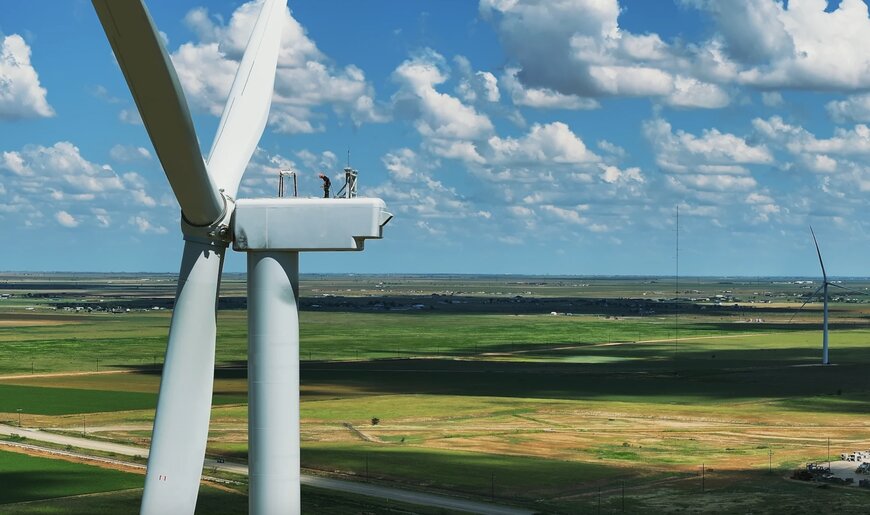
GE Vernova is incorporating SSAB Zero steel into its wind turbine towers to decrease greenhouse gas emissions associated with equipment manufacturing. This transition targets the tower component, which accounts for approximately 25% of the carbon footprint in North American turbine production.
Sustainable Steel Manufacturing Process
Traditional steelmaking contributes between 7% and 9% of global human-made greenhouse gas emissions due to high-temperature furnace requirements. The SSAB Zero material used in these towers utilizes an alternative production method in Iowa:
- Energy Source: The manufacturing process uses fossil-free electricity and renewable natural gas captured from organic waste.
- Material Composition: U.S. production utilizes 98% recycled scrap metal instead of raw iron ore.
- Infrastructure: Electric arc furnaces are powered almost entirely by fossil-free energy to eliminate the carbon intensity of traditional coke-lined furnaces.
Deployment and Market Availability
GE Vernova currently offers wind turbines featuring these lower-emission components. To date, 500 units have been installed at various onshore wind farms across the United States. The steel plate used in these applications maintains the same technical specifications as standard plate products while reducing the associated CO2 emissions.
Grid Stabilization Technology
To support the expansion of electrified steelmaking, GE Vernova is providing technical infrastructure for SSAB’s facility in Oxelösund, Sweden. Because electric arc furnaces require high energy loads, the following technical solutions will be implemented in 2026:
GE Vernova currently offers wind turbines featuring these lower-emission components. To date, 500 units have been installed at various onshore wind farms across the United States. The steel plate used in these applications maintains the same technical specifications as standard plate products while reducing the associated CO2 emissions.
Grid Stabilization Technology
To support the expansion of electrified steelmaking, GE Vernova is providing technical infrastructure for SSAB’s facility in Oxelösund, Sweden. Because electric arc furnaces require high energy loads, the following technical solutions will be implemented in 2026:
- Direct Feed System: A specialized power supply system designed for electric arc furnace stability.
- Modular Multilevel Converter: Transistor technology used to ensure consistent power supply without disrupting local electrical service.
Strategic Objectives
The transition to sustainable sourcing is part of a broader strategy to decarbonize turbine components. Emira Biser, senior director of supply chain sustainability at GE Vernova, stated that the company is focused on decarbonizing its own products, starting with high-emission components like towers. The collaboration aims to establish new standards for sustainable sourcing and encourage lower-emission technology adoption in hard-to-abate sectors.
Edited by Romila DSilva, Induportals Editor, with AI assistance.
The transition to sustainable sourcing is part of a broader strategy to decarbonize turbine components. Emira Biser, senior director of supply chain sustainability at GE Vernova, stated that the company is focused on decarbonizing its own products, starting with high-emission components like towers. The collaboration aims to establish new standards for sustainable sourcing and encourage lower-emission technology adoption in hard-to-abate sectors.
Edited by Romila DSilva, Induportals Editor, with AI assistance.
