
www.technology4environment.com
06
'25
Written on Modified on
Petrobras to evaluate the transformation of fishing waste into biofuels
Project, signed with FGV Energia, Federal University of Amazonas and Senai Institute, will seek innovative solutions in sustainable products.
petrobras.com.br
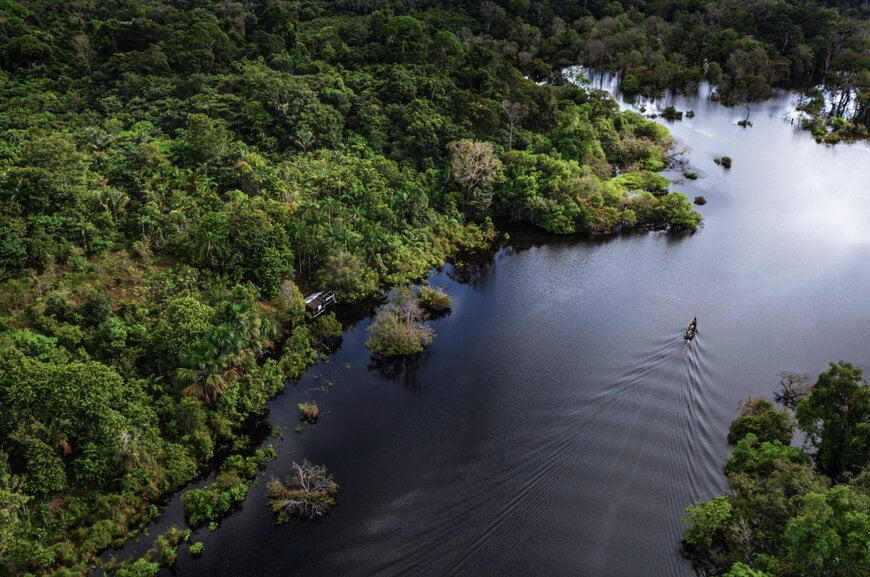
The project aims to propose solutions to reduce critical problems such as water pollution and greenhouse gas emissions.
Petrobras has entered into a partnership to study the transformation of fishing waste from the Legal Amazon region into energy. The Cooperation Agreement was signed by President Magda Chambriard at Petrobras headquarters, in downtown Rio, with the Federal University of Amazonas (UFAM), the Getúlio Vargas Foundation, through FGV Energia, and the SENAI Institute of Innovation (ISI Biomassa).
The project aims to propose solutions to reduce critical problems such as water pollution and greenhouse gas emissions caused by the improper disposal of fishing waste. The initiative includes multiple fronts of action, including the extraction of oils for biodiesel production, anaerobic biodigestion for the generation of biogas and biomethane, and the use of by-products for biofertilizers and animal feed.
The initiative also includes the creation of a detailed Atlas on the potential for biogas, biomethane and biodiesel production throughout the Amazon and Brazil, in addition to technical and economic feasibility studies. The project also foresees the possibility of obtaining patents for the processes developed and the creation of new business models, including opportunities with green certificates.
One of the main results will be the outline of the technological arrangement of a modular pilot plant with potential installation on the UFAM campus, serving as a replicable model for other regions. The structure could promote the circular economy by integrating different waste utilization processes. The positive impacts could extend beyond the environmental issue, including increasing the competitiveness of local industry and strengthening riverside communities. There is a special focus on social inclusion, especially of women, who represent a significant part of the workforce in the region's fishing sector.
“We understand that the effort to make Brazil richer, more technologically developed and cleaner is our legacy for future generations. Over the past seven decades, we have been, and we want to continue to be, an active part of the solutions needed to build our country,” said Petrobras CEO Magda Chambriard at the partnership signing ceremony.
Petrobras has entered into a partnership to study the transformation of fishing waste from the Legal Amazon region into energy. The Cooperation Agreement was signed by President Magda Chambriard at Petrobras headquarters, in downtown Rio, with the Federal University of Amazonas (UFAM), the Getúlio Vargas Foundation, through FGV Energia, and the SENAI Institute of Innovation (ISI Biomassa).
The project aims to propose solutions to reduce critical problems such as water pollution and greenhouse gas emissions caused by the improper disposal of fishing waste. The initiative includes multiple fronts of action, including the extraction of oils for biodiesel production, anaerobic biodigestion for the generation of biogas and biomethane, and the use of by-products for biofertilizers and animal feed.
The initiative also includes the creation of a detailed Atlas on the potential for biogas, biomethane and biodiesel production throughout the Amazon and Brazil, in addition to technical and economic feasibility studies. The project also foresees the possibility of obtaining patents for the processes developed and the creation of new business models, including opportunities with green certificates.
One of the main results will be the outline of the technological arrangement of a modular pilot plant with potential installation on the UFAM campus, serving as a replicable model for other regions. The structure could promote the circular economy by integrating different waste utilization processes. The positive impacts could extend beyond the environmental issue, including increasing the competitiveness of local industry and strengthening riverside communities. There is a special focus on social inclusion, especially of women, who represent a significant part of the workforce in the region's fishing sector.
“We understand that the effort to make Brazil richer, more technologically developed and cleaner is our legacy for future generations. Over the past seven decades, we have been, and we want to continue to be, an active part of the solutions needed to build our country,” said Petrobras CEO Magda Chambriard at the partnership signing ceremony.
www.petrobras.com
