
Soil-Biodegradable Mulch Films for EU Regulatory Compliance
BASF provides ecovio M2351 and material testing data to help agricultural film manufacturers achieve CE marking under EU Regulation 2019/1009.
www.basf.com
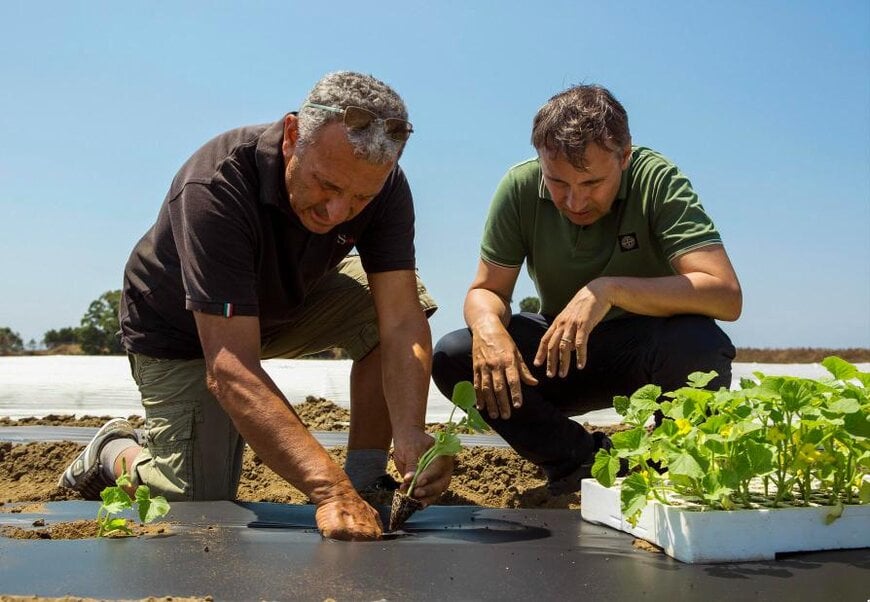
Agricultural film manufacturers face strict regulatory hurdles in proving the environmental safety and degradation profiles of soil-biodegradable polymers across European markets. To streamline conformity assessments and reduce persistent plastic accumulation in farmland, BASF is supporting the development of CE-compliant mulch films using its certified biopolymer ecovio M2351.
In commercial agriculture, mulch films are widely used to regulate soil temperature, retain moisture, and suppress weed growth. However, conventional non-biodegradable polyethylene (PE) mulch films require labour-intensive collection and disposal after harvest and carry a high risk of leaving persistent plastic residues in agricultural soils. Transitioning to biodegradable alternatives solves this end-of-life issue, yet film manufacturers must navigate rigorous European compliance frameworks to validate product safety and gain market access.
Biodegradability And Ecotoxicity Requirements Under EU 2019/1009
EU Regulation 2019/1009 on fertilising products establishes strict criteria for the biodegradability and ecotoxicity of polymers used in soil-biodegradable mulch films. Under this regulation, polymers must biodegrade within defined timeframes using recognised test methods in both agricultural soils and water. Additionally, materials must pass ecotoxicity testing confirming that neither the polymer itself nor its biodegradation byproducts cause adverse effects on plants, earthworms, or the soil, including soil-dwelling microorganisms, under foreseeable conditions of use.
To help manufacturers meet these regulatory thresholds, BASF offers a comprehensive material testing package for ecovio M2351, a biopolymer certified as soil-biodegradable according to the EN 17033 standard. Film producers can use BASF's soil biodegradability and ecotoxicity data as supporting evidence when conducting product conformity assessments and applying for the CE mark. This documentation provides greater regulatory certainty and facilitates access to the European market. Following agricultural use, mulch films produced from ecovio M2351 are broken down by naturally occurring microorganisms into carbon dioxide, water, and biomass, in accordance with EN 17033.
Extrusion Processing And Agronomic Field Performance
Specifically formulated as a plastic compound for soil-biodegradable mulch films, ecovio M2351 is engineered for processing on conventional film extrusion equipment. This compatibility allows manufacturers to produce thin, high-performance mulch films suitable for cultivating a wide variety of crops across different climatic conditions. In field applications, mulch films made from ecovio M2351 can increase crop yields, enable earlier harvests, and reduce both water and herbicide consumption.
Field-proven in agriculture over many years, these certified films integrate directly into post-harvest workflows. Rather than collecting and disposing of used plastic, farmers can plough the films directly into the soil after harvest. This approach saves both time and disposal costs while reducing the risk of long-lasting plastic residues in farmland.
Antonella Pizzolante, responsible for the Agriculture segment at BASF Biopolymers, noted that combining material performance with certified biodegradability and regulatory compliance helps manufacturers develop mulch films eligible for CE marking, enabling farmers and food producers to implement more responsible practices while supporting soil health.
Additional Context
This section details technical specifications and competitive benchmarking not included in the original product announcement.
In European agricultural engineering, the EN 17033 standard serves as the primary technical benchmark for biodegradable mulch films manufactured from thermoplastic materials. To achieve certification under EN 17033, a material must demonstrate at least 90 percent conversion of its organic carbon into carbon dioxide within 24 months in soil, alongside strict limits on heavy metals and regulated ecotoxicity assays. Within the framework of EU Regulation 2019/1009, aligning polymer formulations with these criteria is essential for conformity assessment and legal placement on the EU single market. Compared with traditional low-density polyethylene (LDPE) mulch films, which typically become heavily contaminated with soil, pesticides, and plant debris during a growing season, rendering mechanical recycling economically unviable, soil-biodegradable biopolymers eliminate post-harvest retrieval workflows and prevent the long-term accumulation of microplastics in arable land.
Edited by Maria Brueva, Induportals editor – adapted by AI.
