
www.technology4environment.com
26
'26
Written on Modified on
Scottish Water Installs Solar Panels to Power Forfar Treatment Works
Over six hundred solar panels now provide nearly twenty percent of the facility's energy, reducing carbon emissions and protecting Scottish Water against rising electricity costs.
www.scottishwater.co.uk
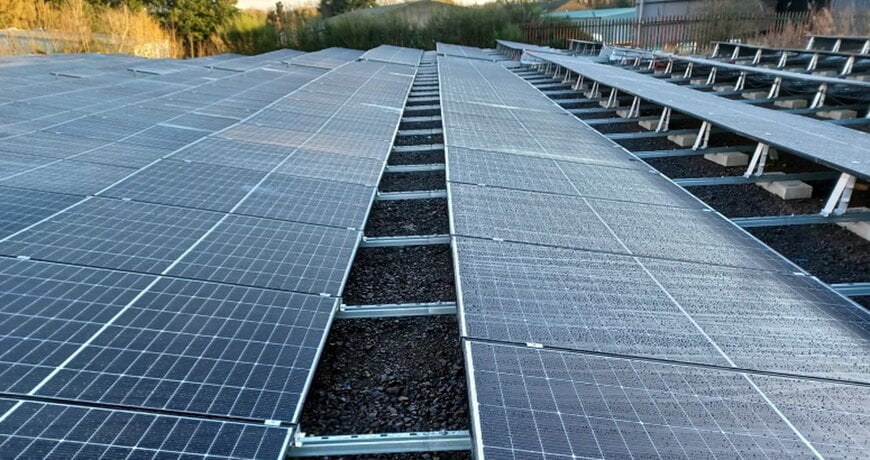
While many utility providers remain vulnerable to the fluctuations of the global energy market, Scottish Water is establishing a distinct competitive advantage through the strategic integration of localized renewable assets. By transforming traditional infrastructure into self-sustaining energy hubs, the organization is mitigating the financial risks associated with grid volatility while simultaneously meeting aggressive decarbonization targets that set it apart from less agile competitors.
Enhancing Operational Stability Through Onsite Generation
The recent installation of 631 ground-mounted solar panels at the Forfar Wastewater Treatment Works serves as a primary example of how decentralized energy production provides a buffer against rising operational costs. By generating approximately 0.23 GWh of power annually, the facility now sources nearly 20 percent of its required energy directly from the sun. This shift toward onsite generation allows for greater control over long-term overheads and shields the site from the price swings that frequently impact entities reliant solely on the national grid.
Achieving Environmental Milestones via Renewable Integration
This infrastructure project, delivered through a collaboration between Scottish Water Horizons and OCS Energy Services, delivers a significant reduction in the facility's carbon footprint. The transition to solar power at this site saves roughly 63 tonnes of carbon dioxide equivalent each year, a figure comparable to the emissions of 35 return flights from Aberdeen to New York. By prioritizing these sustainable upgrades, the utility provider demonstrates a commitment to environmental responsibility that exceeds standard regulatory requirements, positioning the organization as a leader in the transition toward net-zero industrial operations.
Long-Term Financial Sustainability and Resource Management
Integrating renewable energy into essential public services ensures that vital operations, such as wastewater treatment, remain cost-effective for years to come. The Forfar project highlights a broader trend in the utility sector where financial sustainability and environmental stewardship are no longer treated as separate goals. Through the deployment of reliable, localized energy technology, Scottish Water is building a more resilient infrastructure model that balances the need for high-performance service delivery with the necessity of reducing long-term energy expenditure.
Edited by Evgeny Churilov, Induportals Media - Adapted by AI.
www.scottishwater.co.uk
