
www.technology4environment.com
24
'26
Written on Modified on
Veolia Accelerates Czech Green Shift with Multi Energy Karvina Project
The company is transforming its Karvina plant into a sustainable multi-energy hub to eliminate coal by 2029 and provide cleaner heating for 50,000 households.
www.veoliawatertechnologies.com
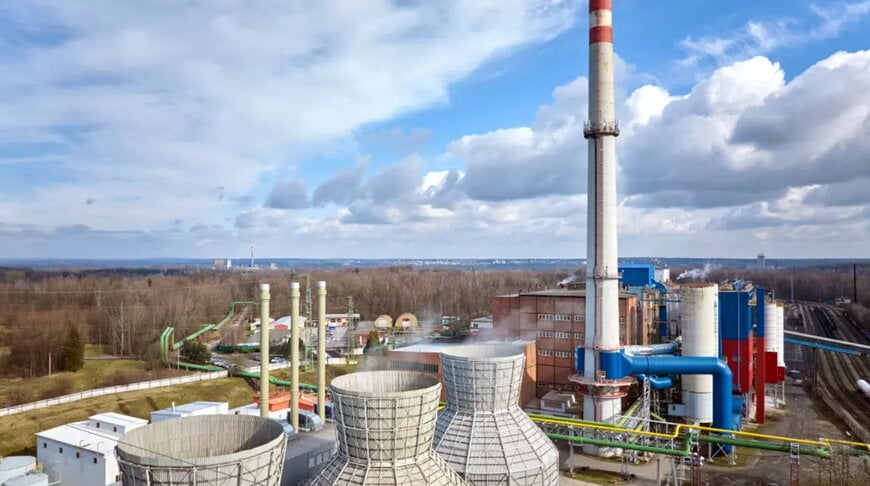
The transformation of the Karviná heating plant in the Czech Republic represents a shift in how urban energy networks can move beyond the limitations of traditional fossil fuels. Unlike standard heating plants that rely on a single fuel source, Veolia is implementing a sophisticated multi-energy cogeneration model that provides a level of flexibility and resilience rarely seen in Central and Eastern Europe. This transition ensures a complete exit from coal by 2029 while securing heat for approximately 50,000 households in Karviná and Havířov, positioning the project as a superior alternative to less versatile energy infrastructures.
A Diversified Energy Mix for Local Autonomy
The core differentiator of the Karviná project lies in its "Ecothermal Grid" approach, which utilizes a balanced and flexible energy mix rather than a one-size-fits-all solution. The future plant will derive 53.19% of its energy from refuse-derived fuel (RDF) — primarily locally sorted municipal waste — complemented by biomass and natural gas. By converting non-recyclable waste into both heat and electricity, the facility functions as a cornerstone of the circular economy. This hybrid configuration allows the plant to adapt to fluctuating resource availability and market prices, offering greater price stability for consumers compared to competitors still tethered to imported fossil fuels.
High-Efficiency Cogeneration and Environmental Impact
The technical superiority of the Karviná model is evidenced by its use of high-efficiency cogeneration, where a single energy source simultaneously produces thermal and electrical power. This process optimizes resource utilization and minimizes waste. The environmental benefits are immediate: the first phase has already reduced coal consumption by nearly 25%, leading to a 30% drop in carbon dioxide emissions and a 72% reduction in sulfur dioxide. These metrics outperform older systems, providing a tangible improvement in local air quality and significantly reducing the region's methane emissions by diverting waste from landfills.
Modernizing Infrastructure into Resilient Energy Hubs
The final phase of development between 2025 and 2029 involves decommissioning the last four coal-fired boilers. They will be replaced by a multi-fuel boiler, a new steam turbine, and additional gas cogeneration units. This comprehensive upgrade will remove an estimated 200,000 tonnes of CO₂ annually, an impact comparable to taking 47,000 passenger cars off the road. By transforming existing infrastructure into a low-carbon, resilient energy hub, Veolia is establishing a repeatable roadmap for regional decarbonization, mirroring successful flagship projects in Poznań and Braunschweig to lead the European transition toward coal-free district heating by 2030.
Edited by Evgeny Churilov, Induportals Media - Adapted by AI.
www.veoliawatertechnologies.com
