
www.technology4environment.com
12
'26
Written on Modified on
Niutech Reshapes Waste Rubber Recycling With Advanced Chemical Pyrolysis Technology
Niutech utilizes innovative continuous pyrolysis to transform scrap tires into high-value resources, providing an eco-friendly and profitable solution for the global waste management industry today.
www.pyrolysistooil.com
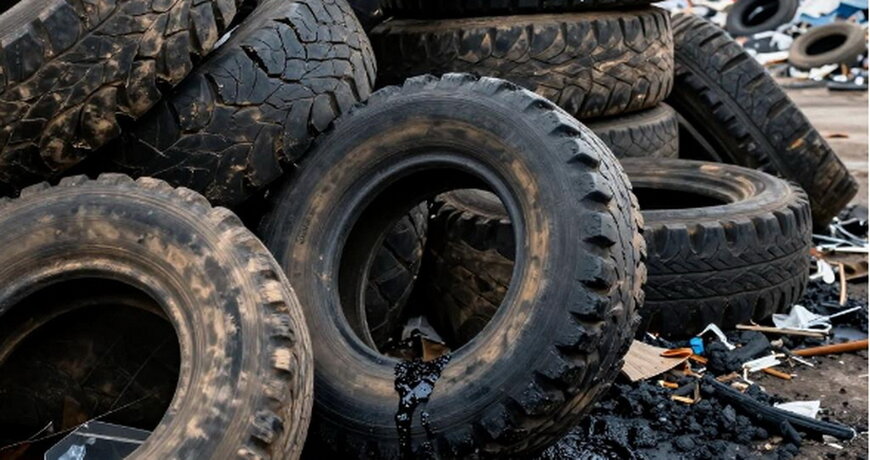
While traditional scrap tire disposal often relies on landfilling or inefficient batch processing, advanced chemical recycling has emerged as a superior industrial alternative. Niutech’s continuous pyrolysis technology distinguishes itself from competitors by shifting from small-scale, intermittent operations to a high-capacity, automated system capable of processing over 30 tons daily. This evolution addresses the critical limitations of conventional methods, which frequently struggle with unstable output quality and environmental compliance.
Limitations of Conventional Batch Processing
Traditional tire recycling often involves batch-type equipment that requires frequent stopping and restarting. This "stop-and-go" cycle results in significant energy loss, inconsistent product quality, and limited throughput. Furthermore, as environmental regulations tighten—such as the EU’s ban on tire landfilling—the industry requires a more reliable method to manage the over one billion tires discarded annually. Unlike these older methods, modern industrial pyrolysis converts waste into high-value resources like renewable oil, carbon black, and steel wire without the operational downtime associated with traditional machines.
The Efficiency of Continuous Intelligent Technology
The primary differentiation of Niutech’s approach lies in its 24-hour uninterrupted operation. By utilizing an intelligent control system that monitors process parameters in real-time, the technology ensures a stable and safe chemical reaction. This automation removes the human error and inefficiency inherent in manual batch systems. The ability to scale to a million-ton disposal capacity changes the industry perception that tire pyrolysis is only viable for small, niche applications.
Resource Recovery and Commercial Viability
Beyond simple disposal, high-end chemical recycling focuses on the quality of the recovered materials. The oxygen-free, high-temperature environment produces pyrolysis oil and recovered carbon black that meet strict green procurement standards and industrial specifications. This makes the technology a commercially viable investment for operators in regions with strict environmental policies, such as North America and Europe. By providing a full-service technical solution—from equipment manufacturing to operational training—this continuous system offers a predictable and scalable pathway for waste rubber management that traditional competition cannot match.
Edited by an industrial journalist, Evgeny Churilov
www.pyrolysistooil.com
