
www.technology4environment.com
21
'26
Written on Modified on
Niutech Drives High Value Global Sustainable Tire Pyrolysis Solutions
As traditional disposal methods fall short, Niutech's continuous pyrolysis technology transforms billions of hazardous scrap tires into high-value oil, carbon black, and steel.
www.pyrolysistooil.com
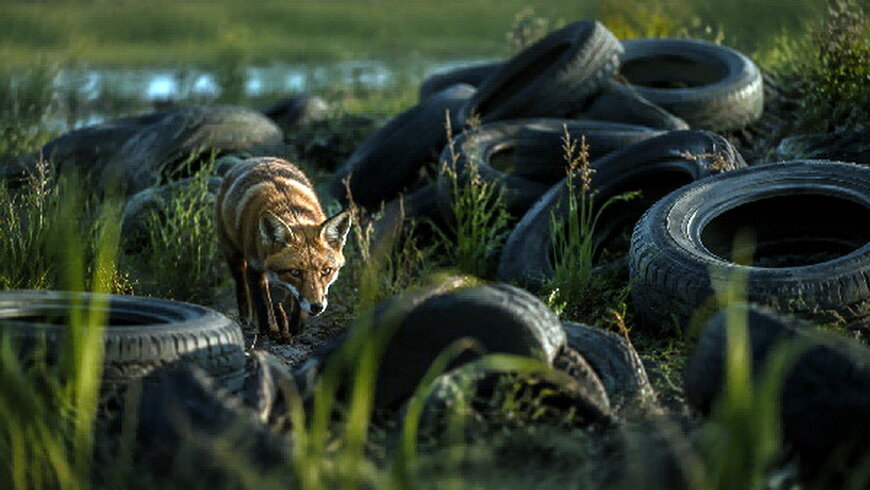
Managing billions of end-of-life tires annually presents severe logistical and environmental challenges. Traditional disposal methods, such as landfilling, incineration, and mechanical reclamation, yield low resource recovery and carry secondary pollution risks.
To address these limitations, industrial operators are restructuring the tire circular economy supply chain. This collaborative network integrates ecological product design by tire manufacturers, standardized regional recycling networks, and terminal disposal facilities to implement high-value utilization systems.
Technical Solution and Operational Function
The core of this digital infrastructure relies on industrial-grade continuous pyrolysis technology developed by Niutech. The system operates via precisely controlled thermal cracking within an oxygen-free environment. This molecular breakdown converts scrap tires into four distinct, high-value output streams:
- Pyrolysis Oil: Refined for use as industrial fuel or further processed into chemical raw materials.
- Recovered Carbon Black: Modified for reuse in tire production and rubber manufacturing.
- Steel Wire: Extracted and directed to steelmaking facilities for direct recycling.
- Non-Condensable Combustible Gas: Recycled internally to provide system heating.
The processing plant utilizes cascaded energy utilization, routing the generated non-condensable gas back into the combustion chamber. This closed-loop thermal cycle minimizes external energy demands and optimizes overall system efficiency.
Scalability and Process Automation
The implementation of this industrial automation solution focuses on equipment scaling, production continuity, and process intellectualization. Engineering advancements have expanded single production line annual processing capacity from thousands of tons to tens of thousands of tons.
By automating temperature gradients and feed rates, the system ensures consistent product quality stability while reducing unit processing costs. This standardized architecture allows the equipment to integrate directly with existing industrial waste management frameworks and regional recycling hubs.
Edited by Evgeny Churilov, Induportals Media - Adapted by AI.
www.pyrolysistooil.com
Scalability and Process Automation
The implementation of this industrial automation solution focuses on equipment scaling, production continuity, and process intellectualization. Engineering advancements have expanded single production line annual processing capacity from thousands of tons to tens of thousands of tons.
By automating temperature gradients and feed rates, the system ensures consistent product quality stability while reducing unit processing costs. This standardized architecture allows the equipment to integrate directly with existing industrial waste management frameworks and regional recycling hubs.
Edited by Evgeny Churilov, Induportals Media - Adapted by AI.
www.pyrolysistooil.com
