
www.technology4environment.com
05
'26
Written on Modified on
Industrial Pyrolysis Systems for Continuous Conversion of Waste Plastics
Niutech Environment Technology implements large-scale thermochemical decomposition to process polymer waste into high-grade synthetic oils and chemical feedstocks.
www.pyrolysistooil.com
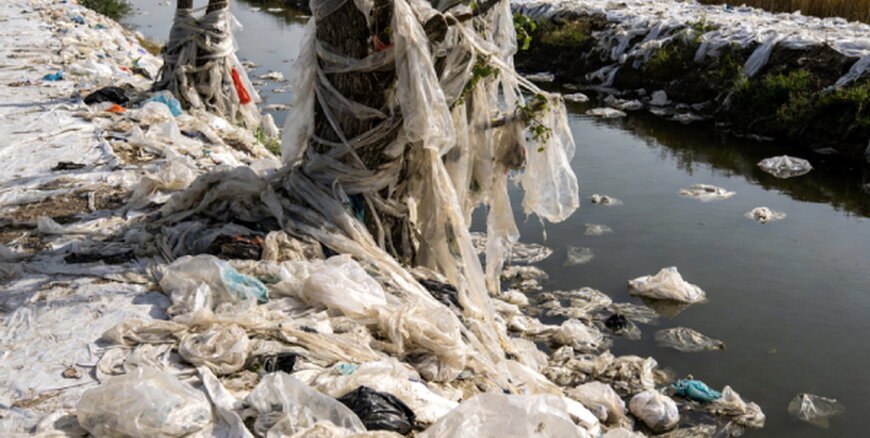
Industrial chemical recycling through advanced pyrolysis addresses the structural limitations of mechanical recycling by breaking down mixed, contaminated, and complex plastic waste into molecular precursors. This technology facilitates the transition toward a circular economy by providing a method to recover high-value hydrocarbons from materials otherwise destined for incineration or landfill.
Technical Mechanisms of Continuous Pyrolysis
The chemical recycling process developed by Niutech Environment Technology centers on a continuous, low-temperature cracking mechanism that operates in an oxygen-free environment. Unlike batch processing, which often results in inconsistent product quality and high energy loss, the continuous system utilizes a horizontal rotary kiln designed for stable thermal distribution.
The system achieves a liquid oil yield ranging from 30% to 90% depending on the feedstock composition, such as polyethylene (PE), polypropylene (PP), or polystyrene (PS). By maintaining precise temperature controls, the reactor minimizes the formation of non-condensable gases and solid char, optimizing the recovery of liquid hydrocarbons. This output serves as a direct substitute for virgin naphtha in the production of new polymers, effectively closing the loop in the digital supply chain of materials.
Environmental Compliance and Energy Recovery
Engineering specifications of the Niutech systems include integrated flue gas purification and heat recovery modules. The process is designed to be energy self-sufficient; non-condensable synthetic gases generated during the cracking process are recaptured and utilized as a heating source for the reactor.
To meet stringent environmental standards, such as those defined by the EU and North American regulatory bodies, the equipment incorporates multi-stage scrubbing and filtration to ensure atmospheric emissions remain below statutory limits. This technical rigor was showcased at the K 2022 trade fair in Düsseldorf, Germany, from October 19 to 26, 2022, where the company demonstrated the scalability of its industrial-scale modules for global deployment.
Application in the Global Circular Economy
The primary application for this technology lies in the treatment of post-consumer and industrial plastic waste that cannot be processed via traditional mechanical means due to degradation or multi-layer composition. By converting these plastics back into raw oil, the technology supports the automotive data ecosystem and the packaging industry, where recycled content mandates are becoming increasingly common.
Technical benefits include the reduction of carbon intensity compared to primary petrochemical production and the ability to handle high percentages of impurities. By providing a consistent feedstock for steam crackers, the system enables chemical companies to maintain high-quality polymer outputs while reducing reliance on fossil-based crude oil. This capability positions industrial pyrolysis as a critical infrastructure component for achieving large-scale polymer circularity.
www.pyrolysistooil.com
