
www.technology4environment.com
26
'25
Written on Modified on
Industrial Tire Pyrolysis for Resource Recovery
Niutech’s intelligent continuous pyrolysis technology converts waste tires into high-value renewable energy products, providing a safe, efficient, and low-carbon solution for global plastic pollution.
www.pyrolysistooil.com
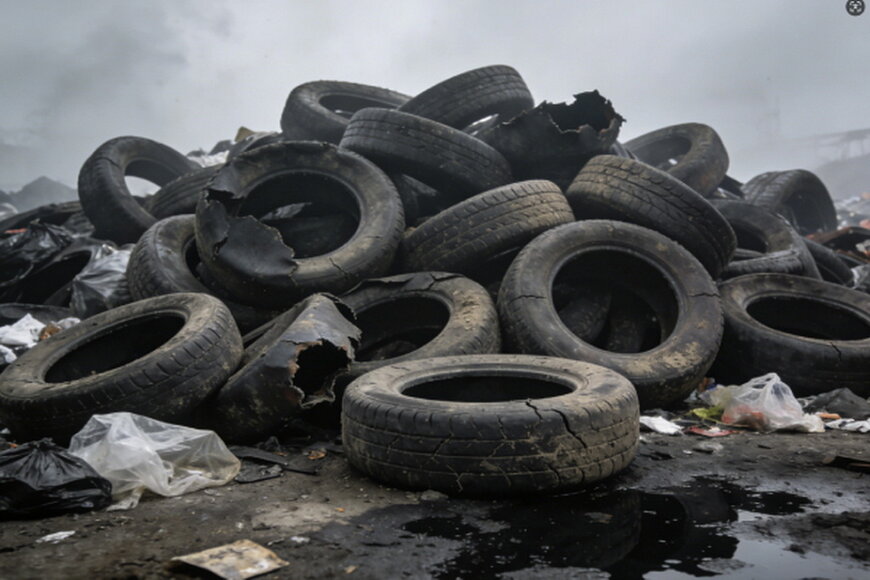
Niutech’s intelligent continuous pyrolysis technology is a thermochemical recycling process designed to convert end-of-life tires into high-value resources such as pyrolysis oil, recovered carbon black, steel wire, and non-condensable gases. The system applies controlled thermal decomposition under oxygen-limited conditions to break down complex rubber polymers, supporting applications in energy recovery, material reuse, and industrial feedstocks across waste management and circular economy initiatives.
Pyrolysis Technology in Tire Recycling
Pyrolysis refers to the decomposition of organic materials by heat in the absence of oxygen. In the context of scrap tire recycling, the process facilitates the conversion of rubber polymers and additives into smaller molecular products without combustion, avoiding the formation of toxic emissions common in incineration and open burning. Controlled reactor environments (typically 400–500°C) enable the breakdown of tire components into pyrolysis oil, carbon black, and combustible gases, with metallic wire components separated for direct steel recycling.
This approach aligns with broader industrial trends toward digital supply chain integration in environmental technology, wherein automated monitoring and process control enhance throughput consistency and quality.
Technical Implementation and Capabilities
Niutech’s system is configured as a continuous, fully automated production line. Key subsystems include intelligent feeding, continuous pyrolysis reactors, oil–gas separation and cooling, circulating water cooling, flue gas purification, and automated discharge mechanisms. AI-driven control regulates critical variables such as temperature and residence time to maintain stable operation and maximize resource recovery.
Operational parameters reported in industrial deployments include:
- Continuous processing capacity scaled to tens of thousands of tonnes per year with annual run times of approximately 8,000 hours.
- Pyrolysis conversion (yield) rates exceeding 99.5 percent under optimized conditions.
- Reactor pressure maintained below 100 Pascal with adjustable and constant temperature control.
- Fully automated control systems minimizing manual intervention and ensuring process safety.
The sealed production line design mitigates secondary pollution and supports compliance with stringent emission standards, including those enforced by the European Union and United States environmental agencies.
End products from the pyrolysis process serve multiple industrial applications:
End products from the pyrolysis process serve multiple industrial applications:
- Pyrolysis oil: A hydrocarbon-rich liquid that can be used as industrial fuel or further refined into chemical feedstocks for plastics and rubber manufacturing.
- Recovered carbon black: A solid carbonaceous material that can be processed for use as a reinforcement additive in rubber and polymer formulations.
- Steel wire: Extracted metallic fractions suitable for conventional steel recycling streams.
- Non-condensable gas: Combustible gases used internally to provide process heat, improving overall energy efficiency.
The conversion of waste into feedstock resources supports circular economy objectives by reducing reliance on virgin materials and lowering lifecycle environmental impacts of rubber products.
Industrial Deployment and Standards Compliance
Niutech reports implementation of its intelligent pyrolysis technology in industrial projects across Europe, Asia, and the Americas. Projects in Germany, South Korea, Brazil, and China’s Shandong and Hunan provinces have validated the system’s performance against international environmental and technical criteria, with EU renewable energy and sustainability certifications documented in multiple cases.
Process outputs meet applicable regulatory thresholds for emissions, and advanced flue gas purification systems ensure that volatile organic compounds and particulate releases remain within compliant ranges.
Environmental and Energy Considerations
Compared with traditional disposal methods—such as landfilling, stockpiling, or incineration—pyrolysis technology offers several quantifiable environmental benefits:
Industrial Deployment and Standards Compliance
Niutech reports implementation of its intelligent pyrolysis technology in industrial projects across Europe, Asia, and the Americas. Projects in Germany, South Korea, Brazil, and China’s Shandong and Hunan provinces have validated the system’s performance against international environmental and technical criteria, with EU renewable energy and sustainability certifications documented in multiple cases.
Process outputs meet applicable regulatory thresholds for emissions, and advanced flue gas purification systems ensure that volatile organic compounds and particulate releases remain within compliant ranges.
Environmental and Energy Considerations
Compared with traditional disposal methods—such as landfilling, stockpiling, or incineration—pyrolysis technology offers several quantifiable environmental benefits:
- Near complete material utilization, minimizing landfill burden.
- Reduced greenhouse gas emissions through internal gas reuse and waste heat recovery.
- Containment of emissions within engineered control systems, reducing local air and soil contamination risks.
- Production of energy carriers that can offset fossil fuel use in industrial heating applications.
By integrating these technical capabilities within industrial recycling operations, tire pyrolysis contributes to more resilient and sustainable waste-to-resource value chains and supports regulatory compliance for recycling and emission reduction frameworks globally.
www.pyrolysistooil.com
www.pyrolysistooil.com
