
www.technology4environment.com
22
'25
Written on Modified on
Stora Enso Completes Low-Emission Energy Upgrade at Heinola Mill
A EUR 30 million process and energy renewal enables the Heinola Fluting Mill to replace fossil fuels with bioenergy, cutting operational carbon dioxide emissions by over 90 percent.
www.storaenso.com
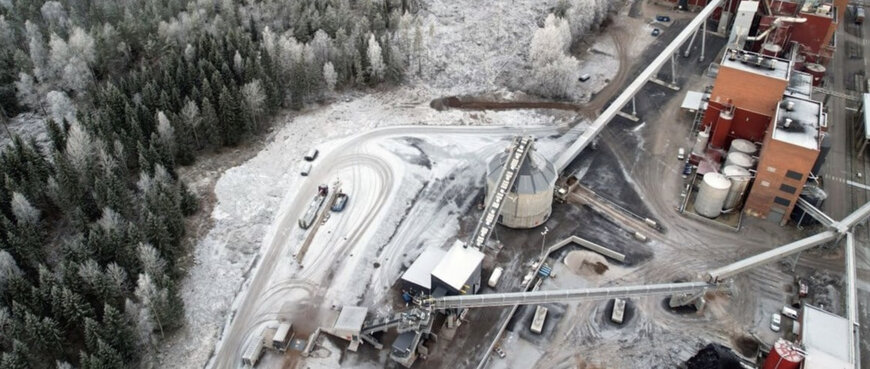
Energy system renewal and emissions impact
Stora Enso has completed a EUR 30 million investment to renew energy use and core processes at its Heinola Fluting Mill in Heinola, with commissioning finalised in the last quarter of 2025. The project replaces solid fossil fuels with renewable bioenergy, reducing annual greenhouse gas emissions by more than 113,000 tonnes of carbon dioxide, corresponding to a reduction of over 90 percent compared with previous levels.
The scale of the emissions reduction is equivalent to the carbon footprint associated with housing for approximately 80,000 average Finnish residents, placing the mill among the lowest-emission fluting production sites in its market segment.
Technical scope of the upgrade
The project was executed during the mill’s scheduled annual autumn shutdown and involved several major infrastructure changes. These included the construction of a new fuel receiving station, the installation of a dedicated conveyor system, and a substantial modernisation of the existing fluidised-bed boiler. The boiler upgrade enables stable combustion of renewable bioenergy while maintaining the thermal performance required for continuous fluting production.
Civil engineering works were carried out by RTA Oy, equipment installations by Raumaster Oy, and boiler modifications by Sumitomo SHI FW Energia Oy, reflecting a multi-supplier approach to integrating energy infrastructure with existing mill operations.
Process stability and operational performance
Beyond emissions reduction, the renewed energy system improves process stability and operational efficiency by modernising critical thermal assets. According to project management, commissioning and test runs were completed in cooperation with suppliers, meeting predefined targets for occupational safety and environmental performance.
Improved process control and reliability are particularly relevant for fluting production, where consistent thermal conditions directly affect product quality and production efficiency.
Relevance for district heating and local sustainability
The investment also affects energy outputs beyond the mill boundary. The Heinola facility supplies district heating to the surrounding area, and the shift to renewable bioenergy reduces the carbon intensity of this heat production. This contributes to broader municipal carbon neutrality targets while maintaining the mill’s role as a local energy supplier.
Production context
The Heinola mill produces fluting, or corrugating medium, for the corrugated packaging industry, primarily serving export markets. The upgraded energy infrastructure supports lower-emission production while reinforcing the mill’s long-term competitiveness under tightening environmental requirements for packaging materials.
www.storaenso.com
