
www.technology4environment.com
14
'26
Written on Modified on
MANN-FILTER Expands Lignin-Based Automotive Filter Portfolio
Plant-based filter media supports lower-emission aftermarket filtration for passenger vehicles and light commercial fleets.
www.mann-hummel.com
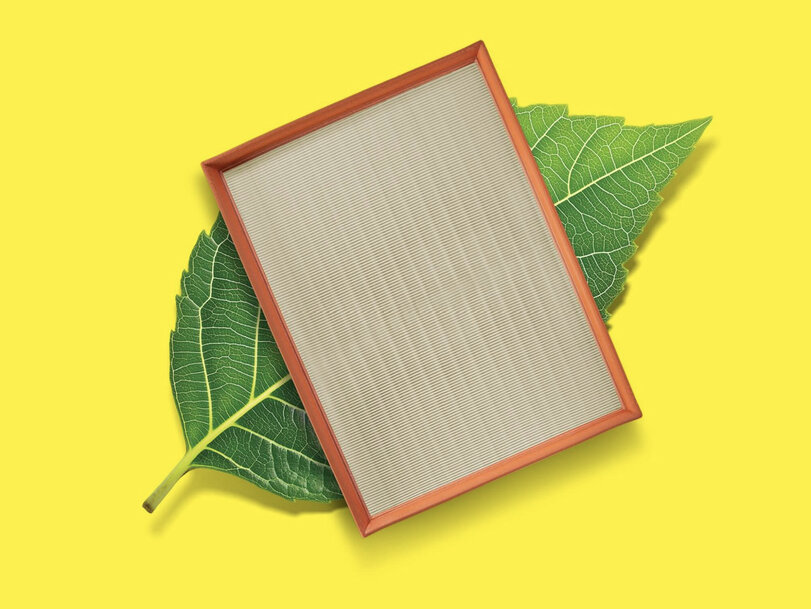
MANN-FILTER has expanded its portfolio of automotive air and oil filters using lignin-based filter media, extending the availability of plant-derived raw materials across millions of vehicles in the independent aftermarket. The expanded product range targets passenger cars and vans while maintaining compatibility with existing aftermarket logistics and part identification systems.
The move reflects broader automotive industry efforts to reduce the environmental impact of consumable vehicle components without altering installation procedures or filtration performance. Lignin-based filtration materials are increasingly being evaluated as alternatives to conventional fossil-derived raw materials in automotive supply chains.
Lignin-based filter media for aftermarket applications
Lignin is a plant-derived polymer generated as a byproduct of industrial wood processing and paper manufacturing. In filtration applications, lignin can partially replace conventional petroleum-based resin materials used in filter media production.
According to MANN-FILTER, the expanded portfolio includes air filters compatible with approximately 120 million passenger cars and vans within the European independent aftermarket, while lignin-treated oil filters are suitable for around 35 million vehicles across Europe. The company stated that both product categories are also available globally for additional vehicle platforms.
The transition to the expanded filter range begins in May, with products identified using a leaf symbol on the packaging. The company indicated that no changes to part numbers, installation procedures, or logistics systems are required for workshops and distributors adopting the updated filter products.
Maintaining unchanged part identification and distribution structures is particularly important within the automotive data ecosystem and digital supply chain environments where aftermarket inventory systems depend on stable catalog integration and compatibility tracking.
Filtration performance and manufacturing considerations
MANN-FILTER stated that the lignin-based filters maintain the same functional performance, reliability, and original equipment quality standards as conventional filter products. Automotive air and oil filters are typically evaluated based on filtration efficiency, contaminant retention, airflow performance, pressure resistance, and operational durability under varying engine conditions.
The company did not specify the percentage of conventional material replaced by lignin within the filter media but stated that the technology contributes to reduced carbon dioxide impact during production.
The filters are manufactured at the MANN+HUMMEL production facility in Marklkofen, Germany, which the company describes as the world’s largest filter manufacturing plant. Production of the expanded filter portfolio uses existing industrial manufacturing processes supported by automated quality control systems.
Market adoption and sustainability integration
The expanded portfolio follows the initial introduction of carbon dioxide-reduced filters launched by MANN-FILTER in the previous year. According to the company, the number of available products using lignin-based technology has more than doubled with the latest expansion.
NEXUS Director of Sustainability and Information Technologies Ying Luo stated that maintaining identical performance characteristics, pricing structures, and logistics compatibility was a significant factor in aftermarket acceptance of the technology.
The lignin-based filter products were also presented during the recent NEXUS Climate Day as an example of scalable lower-impact aftermarket product development.
Competitive context in sustainable filtration materials
Automotive filtration manufacturers are increasingly exploring renewable and lower-impact materials as part of broader sustainability strategies within vehicle maintenance and replacement component markets. Comparable approaches in filtration technology include cellulose-based media optimization, recycled synthetic fibers, and bio-derived resin systems.
Competitive evaluation in automotive filtration typically focuses on filtration efficiency, lifecycle durability, compatibility with existing engine systems, and manufacturability at industrial scale. MANN-FILTER stated that its lignin-based products maintain original equipment-equivalent performance while introducing renewable raw material content into the filter media structure.
Industry recognition and future developments
MANN+HUMMEL received the EcoVadis Gold Medal in 2026 for the fifth consecutive year, placing the company among the top five percent of approximately 150,000 companies assessed globally. The company’s lignin-based filtration technology has also received industry recognition through awards including the PARTSLIFE Environmental Award, the CLEPA Innovation Award, and the German Design Award.
MANN-FILTER stated that additional developments aimed at improving the environmental footprint of selected filtration products will be presented during Automechanika Frankfurt later this year.
Edited by Natania Lyngdoh, Induportals editor, with AI assistance.
www.mann-hummel.com
