
www.technology4environment.com
20
'26
Written on Modified on
Kyocera develops high-current hermetic terminals for liquid hydrogen
New ceramic-sealed terminals support up to 110A in cryogenic hydrogen systems, addressing durability and hermeticity requirements for energy and aerospace applications.
global.kyocera.com
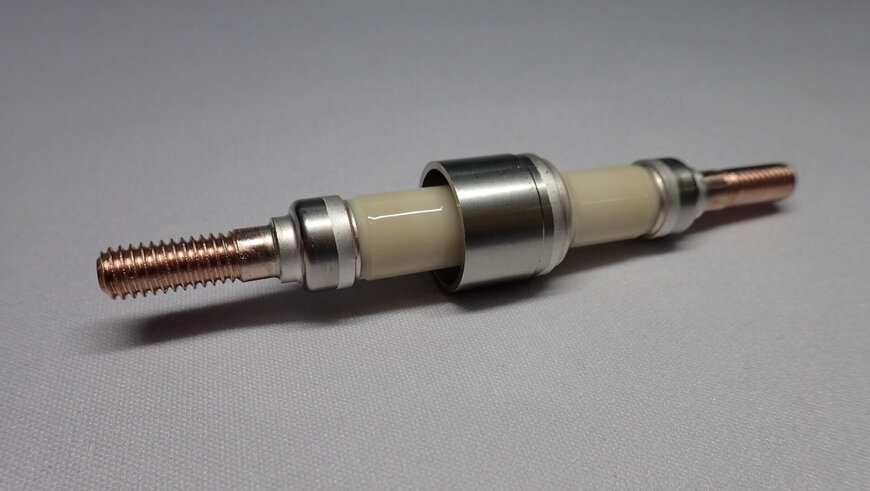
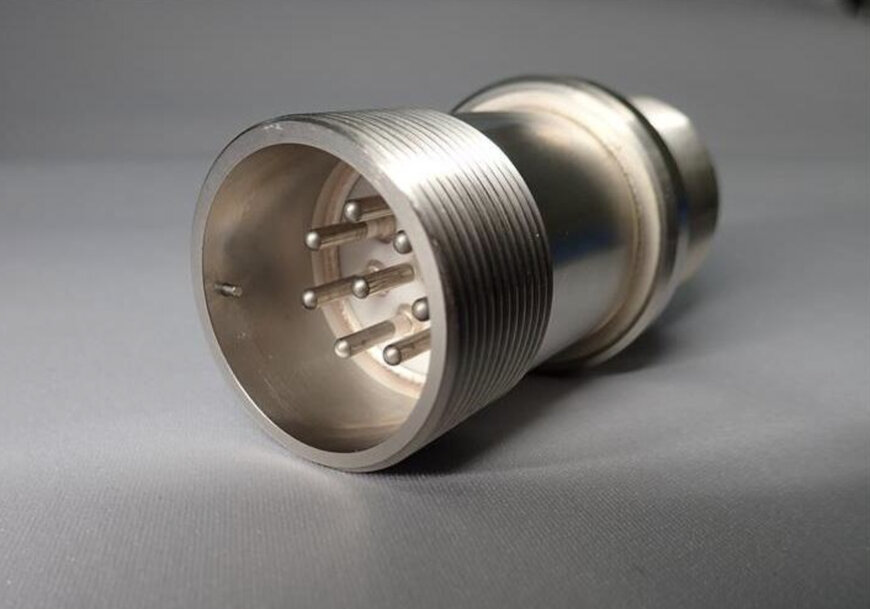
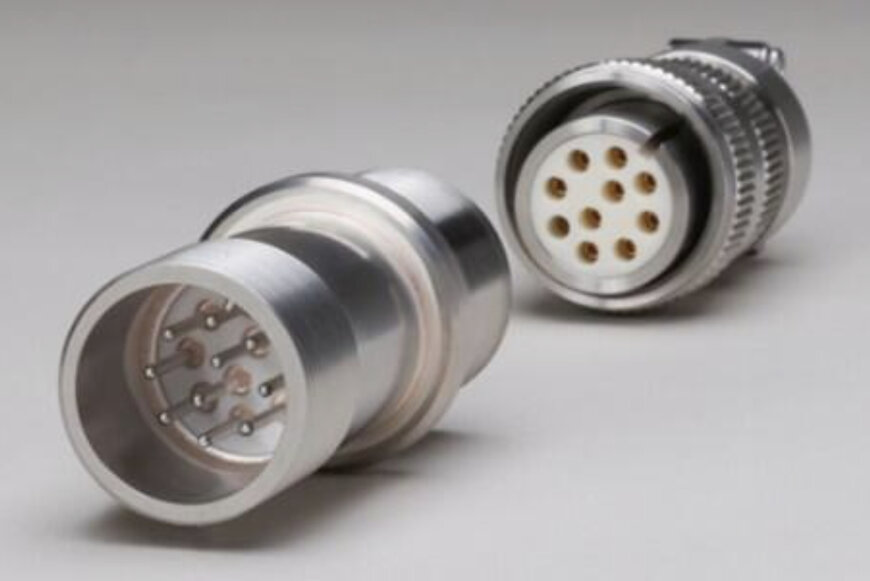
For hydrogen infrastructure, aerospace systems, and cryogenic energy applications, Kyocera Corporation has developed two ceramic hermetic sealing components designed for high-current operation in liquid hydrogen (LH₂) environments. The newly introduced current feedthrough terminal and MS-8 pin hermetic connector enable stable electrical transmission under extreme temperatures of −253°C while maintaining gas-tight integrity.
Developed in collaboration with the Japan Aerospace Exploration Agency (JAXA), the components are engineered to support applications such as hydrogen storage systems, transport infrastructure, booster pumps, and power generation equipment requiring high electrical loads.
High-current transmission under cryogenic conditions
The current feedthrough terminal is designed to handle currents up to 100A, while the MS-8 pin hermetic seal connector supports up to 110A across the entire connector. These specifications address a key limitation in LH₂ systems, where electrical components must operate reliably under both high current loads and ultra-low temperatures.
Maintaining hermetic sealing in such conditions is critical to prevent hydrogen leakage, which can compromise both safety and system efficiency. The ceramic-to-metal bonding technology used in these components ensures structural stability and sealing performance under thermal stress caused by cryogenic environments.
According to Kyocera’s research as of December 2025, these are the world’s first※1 high-current-compatible current feedthrough terminals and MS-8 pin hermetic seal connectors validated for use in liquid hydrogen environments.
Ceramic hermetic sealing for durability and reliability
The development builds on Kyocera’s established expertise in metal-ceramic bonding for ultra-high vacuum applications. Ceramic materials provide electrical insulation while maintaining mechanical strength and resistance to thermal cycling, making them suitable for repeated exposure to cryogenic temperatures.
The components underwent demonstration testing at JAXA’s Noshiro Rocket Testing Center, where durability and hermeticity were validated under liquid hydrogen conditions. These tests confirm the components’ ability to maintain sealing performance and electrical stability in demanding operational environments.
This development follows the earlier introduction of the MS-10 pin terminal for measurement and control systems, which was also validated for LH₂ applications.
Supporting hydrogen storage and transport systems
Liquid hydrogen enables higher energy density compared to gaseous hydrogen by reducing volume to approximately 1/800, making it suitable for large-scale storage and transport. However, this advantage introduces engineering challenges related to extreme temperatures and material compatibility.
The newly developed terminals address these challenges by enabling efficient electrical input and output in LH₂ systems, supporting critical operations such as pumping, monitoring, and energy conversion. Their high-current capability expands their applicability beyond control systems to power-intensive components within hydrogen infrastructure.
Responding to growing hydrogen demand
The development aligns with increasing global investment in hydrogen as a low-carbon energy carrier. In Japan, national policy targets include scaling hydrogen adoption to 12 million tonnes annually by 2040, reinforcing the need for reliable infrastructure components.
By enabling safe and efficient electrical connectivity in LH₂ environments, these hermetic terminals contribute to the broader deployment of hydrogen technologies across industrial and energy sectors. The collaboration between Kyocera and JAXA highlights the role of advanced materials and aerospace-derived testing in accelerating the commercialization of hydrogen systems.
※1 Based on Kyocera's research as of December 2025 for high-current feedthrough terminals and hermetic seal connectors for liquid hydrogen environments.
Edited by Industrial Journalist Natania Lyngdoh — Adapted by AI.
www.global.kyocera.com
