
www.technology4environment.com
16
'26
Written on Modified on
Digital energy management in smart grid applications
Vecow SPC-7000 enables remote management and energy-efficient monitoring in data-driven power systems.
www.vecow.com
Energy management within digital energy and smart grid environments refers to the monitoring, control and optimisation of energy generation, distribution and consumption using data-driven technologies. Unlike traditional grid operation, which relied on static schedules and manual decision-making, modern energy systems integrate real-time measurements, advanced analytics and automated control.
This digital approach spans the entire electricity value chain—from generation to end-use consumption—and applies to systems ranging from individual devices and buildings to city-scale infrastructure. Sensors, intelligent electronic devices and advanced metering technologies collect operational data, which is then processed to support decisions related to load balancing, power quality, efficiency and reliability.
As electrification increases and renewable energy sources become more prominent, energy management systems are evolving into adaptive cyber-physical systems capable of coordinating complex grid conditions.
From manual operations to real-time optimisation
Historically, grid operators relied on offline studies and operator experience to maintain system balance. Demand participation was limited and real-time monitoring capabilities were scarce.
Today, digital platforms integrate supervisory control and data acquisition (SCADA), energy management systems and cloud analytics. These platforms allow utilities and large energy consumers to forecast load, dispatch generation resources, manage congestion and automate demand response.
Real-time visibility enables faster decision-making, predictive maintenance and optimisation across both short-term operations and long-term planning. As edge computing and artificial intelligence mature, energy management systems are expected to become increasingly autonomous and decentralised.
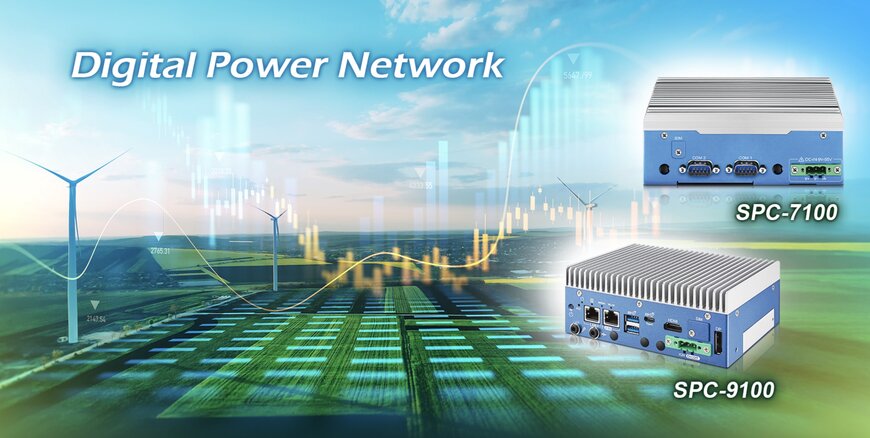
Remote management as part of energy optimisation
One technology that supports energy-aware system management is Intel Active Management Technology (iAMT). Running on a dedicated management engine within Intel-based platforms, iAMT allows administrators to monitor and manage systems independently of the operating system.
Through remote power management capabilities, administrators can turn systems on or off, reset them or place them into low-power states such as sleep or hibernation. Scheduled shutdowns during non-business hours and automated wake-ups for maintenance tasks help reduce unnecessary energy consumption and cooling requirements.
Because iAMT also provides hardware-level inventory and status monitoring, underutilised systems can be identified and managed more efficiently.
Edge platform for industrial energy applications
A practical example of this approach involves a deployment in Athens, Greece, where a customer required an embedded computing platform for energy management applications. The system needed to meet several technical requirements, including fanless operation, compact size, low power consumption and remote BIOS and system access.
The Vecow SPC‑7000, developed by Vecow, was selected to meet these requirements. The compact system supports remote management through iAMT and includes network connectivity for out-of-band monitoring and control.
Its fanless architecture reduces component count, lowers power consumption and enables operation across a wide temperature range—from –40 °C to +70 °C depending on configuration. These characteristics are important for installations in substations, control rooms or other industrial environments where reliability and energy efficiency are essential.
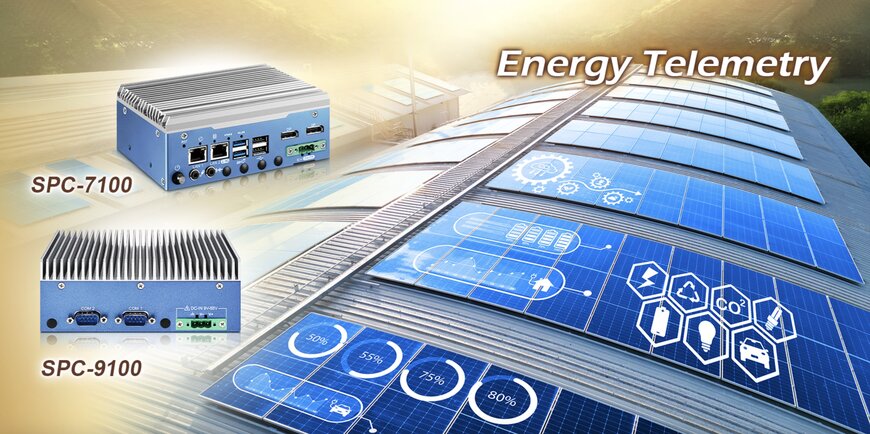
Computing capabilities for edge-grid environments
The SPC-7000 uses 11th-generation Intel Core processors with configurable thermal design power of up to approximately 28 W, balancing processing performance with energy efficiency. The platform supports up to 32 GB of DDR4 memory, dual DisplayPort outputs, multiple USB interfaces and flexible networking options including Gigabit and 2.5 GbE connections.
Additional features such as TPM 2.0 security support, wide DC power input (9–55 V) and optional wireless or AI expansion modules allow the system to integrate into modern smart-grid and industrial IoT architectures.
These capabilities enable the platform to host analytics and control functions close to operational assets, reducing latency and improving resilience compared with cloud-only architectures.
Supporting scalable smart grid deployments
By processing operational data at the edge of the network, systems such as the SPC-7000 support distributed energy resource management systems (DERMS) and SCADA architectures. This enables faster response to grid events, improved monitoring of distributed assets and scalable deployment of digital energy applications.
Industrial computing platforms designed for edge environments therefore play an important role in modern energy management strategies. Their ability to combine real-time data processing, remote manageability and energy-efficient operation supports the transition toward more adaptive and intelligent power systems.
Edited by Industrial Journalist, Romila DSilva, with AI assistance.
www.vecow.com
